


Free written scope consultation - allowances, timeline, and change-order rules on paper before a single trade is scheduled
Tuff Shed Fence Installation: The Fort Lauderdale Owner’s Guide
Tuff Shed fence installation in Fort Lauderdale typically runs $3,500 to $9,000 installed, depending on linear footage, fence style, and whether we’re tying into an existing Tuff Shed structure or starting fresh. We stock the hardware and materials to match Tuff Shed’s dimensional lumber specs and can usually get the job scheduled within days, not weeks. Most Fort Lauderdale owners discover the issue the same way: a post heaves after a heavy rain season, a gate sags and drags, or the original installer used untreated fasteners that are now rusting through in the salt air.
If you’re reading this, you probably already know the frustration. The fence looked fine for a few years, then one morning you notice a post leaning toward the neighbor’s yard. Or the gate doesn’t close without lifting it. Around here, it’s rarely the fence boards themselves that fail first. It’s what’s under the ground and what holds everything together.
Which Tuff Shed Models This Applies To
Tuff Shed doesn’t make a proprietary fence system, but their sheds, studios, and garages all use the same dimensional lumber standard: 2×4 and 2×6 framing, typically spaced 16 inches on center, with either engineered wood siding or Premier Pro wood siding options. If your shed has a manufacturer’s label on the inside of the door frame, that’ll show the model series: Premier Pro, Premier Ranch, Sundance, or the TB series. The fence work around it needs to match the setback from the shed walls, the roof overhang line, and the existing concrete anchors or pier blocks.
Here’s the compatibility gotcha most people don’t know: Tuff Shed builds on a variety of foundation types, and if your shed sits on a concrete slab, fence posts should not be drilled into that slab edge without checking the slab thickness first. Cracked slabs from post anchors are common in Fort Lauderdale, especially on older installs near Victoria Park and Rio Vista where slabs were poured thinner. We check this before we quote, not after we start.
On the OEM versus aftermarket question: Tuff Shed itself doesn’t sell fence components, so there’s no genuine “Tuff Shed fence part” to hold out for. What matters is the material spec. Western red cedar and pressure-treated southern yellow pine are both proven in South Florida, but we lean toward treated pine with stainless or coated fasteners for anything within a mile of the Intracoastal. Salt air eats galvanized hardware faster here than anywhere else in the state.
Styles & brands we work with







Signs Your Tuff Shed Fence Installation Is Failing
- Leaning posts, especially after rain. This almost always means the concrete footing wasn’t deep enough or wasn’t allowed to cure before rails went on. In Fort Lauderdale’s sandy soil, a 36-inch post hole is the minimum, not a suggestion. Shallow footings shift fast once the summer storm cycle starts.
- A gate that scrapes the ground or won’t latch. The hinge side post is moving, or the gate frame itself has racked out of square. Tuff Shed buildings settle over time, and a fence attached to a settled shed will transfer that stress straight to the gate hardware.
- Rust-colored streaks running from nail and screw heads. That’s the fastener failing, not the wood. Untreated hardware corrodes in the humidity and salt, and the stain is the tell. Once fasteners go, rails start pulling loose and the whole section loses lateral strength.
- Rails pulling away from the post faces. This happens when the original brackets were undersized or the installer drove fasteners too close to the end grain. More common on fences installed by handyman crews than by fence-specific contractors, and unfortunately common across East Fort Lauderdale.
- Boards cupping or splitting near the bottom third. Ground contact and splashback from hard rain keep the bottom of the boards wet long after the top dries out. With no moisture barrier at the base and no cap rail, that’s a slow structural decline that no amount of staining will reverse.
See the difference
 Before
 After
After Before
 After
After Before
 After
AfterReplacement Cost & What’s Included
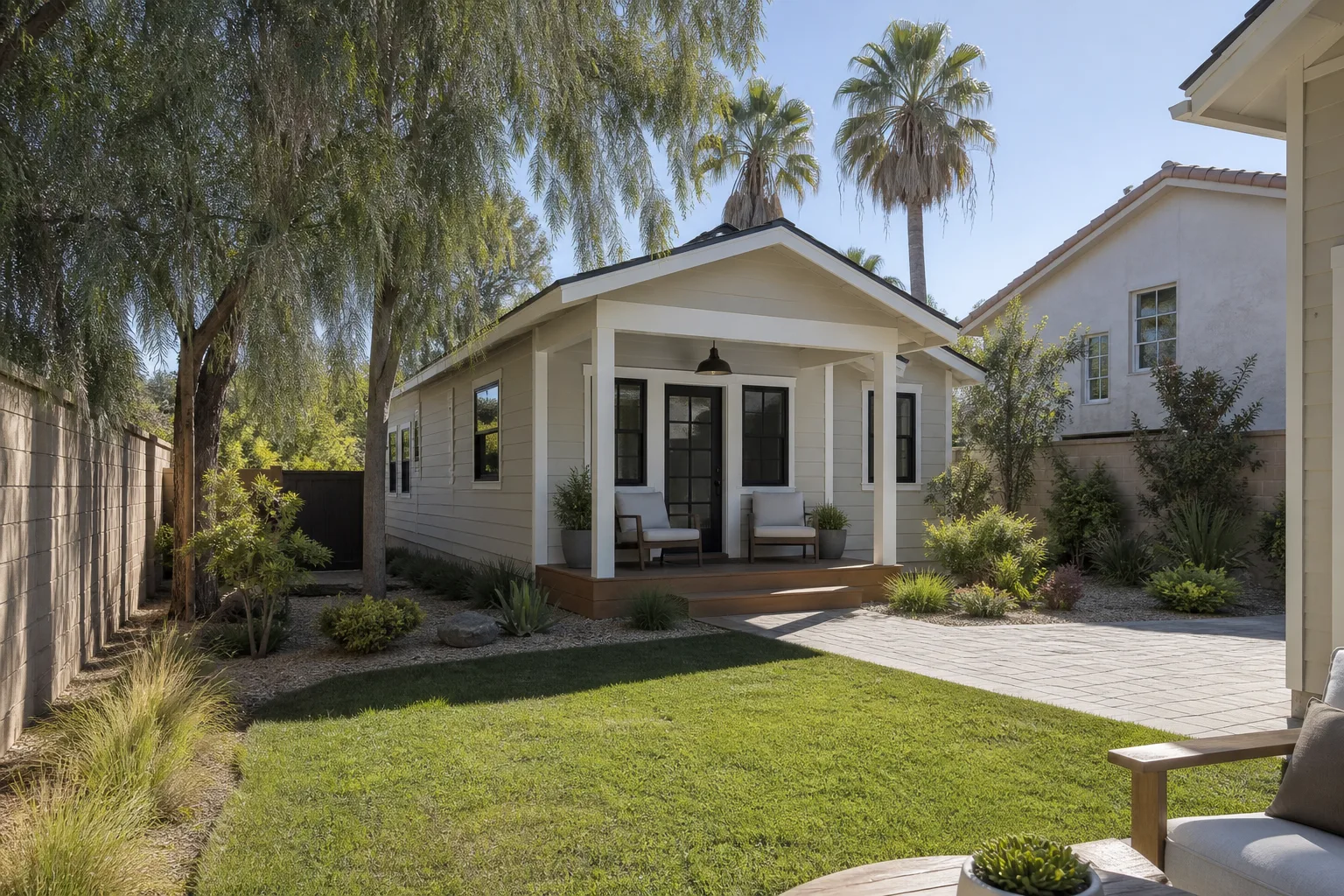
For a typical Fort Lauderdale residential job, replacement or new fence installation around a Tuff Shed structure runs $3,500 to $9,000 installed. The range is driven by three things: how many linear feet of fence we’re building, whether we’re pulling and re-pouring concrete footings, and what material you pick. A 60-foot run of pressure-treated pine with one gate sits at the lower end. A 150-foot run with three gates, cedar boards, steel post anchors, and concrete work on every post lands at the top.
Every quote from us includes the line-item breakdown before you approve anything. You’ll see the post count, linear footage, footing depth, hardware spec, and board grade. The number we put in writing is the number on the invoice. And the whole thing is covered by our 365-Day Done Right Promise: if it’s not done right, we make it right. In writing, on every job.
DIY or Call Us?
There’s a reasonable middle ground here. Replacing a single fence board, tightening gate hinges, or cleaning and re-staining a section are all within reach for a weekend DIYer with basic tools. You won’t hurt anything with a drill and a level.
What we’d steer you away from: pulling and resetting posts without the right footing depth, attaching a gate frame to a Tuff Shed wall without checking the wall’s load path, or replacing more than a few rails at once on a fence line that’s already leaning. Once a fence loses its structural square, every new board you hang just adds weight to a failing frame. And if the shed itself has settled, you’re better off addressing that first. Call us at (754) 354-7423 if you want a straight answer on what’s actually wrong before you spend a Saturday finding out.
FAQs
A properly installed pressure-treated pine fence around a Tuff Shed will give you 12 to 18 years in Fort Lauderdale with minimal maintenance, while cedar runs closer to 10 to 15 depending on sun exposure and salt air. The posts, not the boards, determine the lifespan. If footings are poured at the right depth and hardware is rated for coastal exposure, the fence survives anything short of a hurricane. Call (754) 354-7423 and we’ll tell you what’s realistic for your yard.
Yes, in many cases we can replace individual posts, rails, or gate frames without tearing out the entire fence line, as long as the remaining structure is still square and the rot hasn’t spread past isolated sections. Once more than a third of the posts are moving, a replacement usually costs less per year of useful life. We’ll give you an honest read on that before any work is approved.
A typical Fort Lauderdale fence installation around a Tuff Shed structure takes two to four working days, depending on how many footings need to be poured and how much old fence needs to come out first. Concrete needs time to cure before we load the posts, and we won’t rush that step to hit an artificial deadline. The work either holds up or it doesn’t – we make sure it does.
We handle 100% of the material sourcing for your fence installation, from the treated posts and rails to the boards, gate hardware, and fasteners rated for coastal humidity. We carry the common dimensional lumber sizes on the truck and order the rest through our regular suppliers, so you won’t be making trips to the lumberyard. You pay one written price for the whole job, parts and labor together.
If you have a Tuff Shed in Fort Lauderdale and a fence that’s showing its age, call Luca Romano and the crew at Sawyer Remodel Fort Lauderdale at (754) 354-7423. We’ll come out, look at what’s actually happening, and put a free estimate in your hands with the numbers itemized. No vague ballparks, no surprise charges at the end. Just the price, in writing, before anything starts.
Written by Luca Romano, Owner & Lead Contractor, Sawyer Remodel Fort Lauderdale at Sawyer Remodel Fort Lauderdale, serving Fort Lauderdale and nearby areas.


