
Free written scope consultation - allowances, timeline, and change-order rules on paper before a single trade is scheduled
Cambria Home Additions & ADU: The Fort Lauderdale Owner’s Guide
Cambria home additions and ADU construction in Fort Lauderdale typically run $45,000 to $130,000 for a finished space, and for most standalone ADU builds the range lands between $90,000 and $220,000 depending on size and utility connections. We’re a Fort Lauderdale general contractor that works with Cambria surfaces throughout additions and ADUs, and we stock Cambria slab remnants and matching edge profiles for repair work, not just new installs. Most owners figure out something’s wrong when a seam opens, a countertop lip chips near a high-use corner, or a backsplash plane starts pulling away from the wall after the foundation settles through one hot wet season.
Here’s what you’re dealing with: Cambria is quartz, not granite or marble, and that changes how repairs and adjacent framing behave. Fort Lauderdale’s humidity, salt air, and slab-on-grade settling all play differently against quartz than against natural stone. If you’re researching this because a part of your Cambria addition or ADU failed, this page covers the exact repair path, what we stock, what it costs, and when it makes sense to call us at (754) 354-7423.
Key takeaways:
- Cambria additions and ADU builds in Fort Lauderdale run $45,000 – $130,000 for attached work and $90,000 – $220,000 for full ADU construction.
- We stock Cambria slab remnants, matching adhesives, and edge-profile trim for repair work on existing additions and ADUs in Broward County.
- Quartz doesn’t delaminate like laminate, but seams, overhangs, and wet-bar edges fail from settlement and humidity cycling.
- We’re an independent Fort Lauderdale contractor, not affiliated with Cambria, but we install and repair their surfaces daily.
Which Cambria Models This Applies To
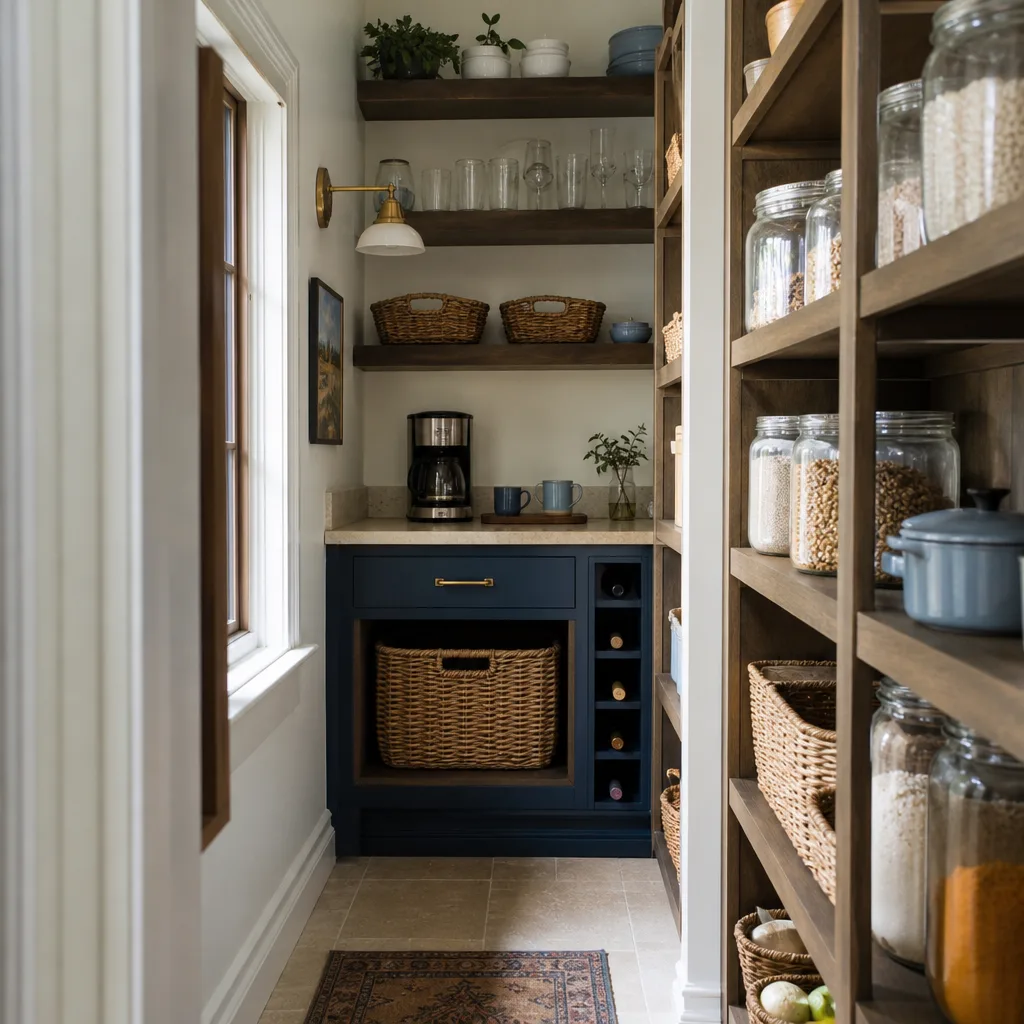
Cambria’s design series breaks into a few families that show up constantly in Fort Lauderdale additions and ADUs: the Marble collection (Brittanicca, Ella, Weybourne) which is the most common in kitchen and bar counters, the Coastal collection (Torquay, Annicca, Skara Brae) that sells heavily in South Florida’s waterfront and inland remodels, and the heavier-veined designs like Summerhill and Portrush used for statement islands. The design name matters less for repair than the slab thickness and edge profile. Cambria runs two primary thicknesses: 1 cm (used with laminated build-up edges to look thicker) and 2 cm and 3 cm slabs for full-thickness counters. Fort Lauderdale ADU wet bars and outdoor kitchen counters usually use the 3 cm stock because it handles overhang without additional support.
How to identify what you have before you call: look under the counter near the sink cutout or at an exposed end for a printed Cambria label or etched code. If the label is gone, measure the edge thickness. A 1 cm slab with a laminated edge reads around 2.5 cm to 3 cm at the front lip. A true 3 cm slab reads dead at 3 cm without lamination. For edge profiles, Cambria’s standard roster is eased, bevel, bullnose, and an ogee on select designs. Matching a repair to the right profile is the difference between a seam you can’t see and one you can’t unsee. We stock the common profiles and remnant slabs for the Marble and Coastal lines because those cover about 70 percent of Fort Lauderdale’s Cambria repair calls.
On OEM versus aftermarket: Cambria does not sell direct to consumers, and any “Cambria replacement part” you find online is either overstock from a fabricator or a generic quartz product. For seam adhesives, color-matched epoxies, and support brackets, we use fabricator-grade materials matched to the specific Cambria design, which outperforms big-box construction adhesive in South Florida humidity. This matters in Fort Lauderdale because generic adhesives yellow and fail at quartz seams after two or three rainy seasons.
Styles & brands we work with







Signs Your Cambria Home Additions & ADU Is Failing
- Seam separation at the cooktop or sink cutout. Quartz expands and contracts slightly with temperature swings, and the thinnest material around a sink or cooktop is the first place movement shows. If the seam opens enough to catch a fingernail, the adhesive has already failed.
- Rough or chipped edge on a high-traffic corner. Most chips happen where a hallway meets the counter corner, or where the ADU kitchenette counter turns toward the door. Quartz is hard but not indestructible, and one hard hit from a cast-iron pan creates a chip that only gets worse.
- Counter overhang developing a visible sag or bounce. Fort Lauderdale is slab-on-grade, and when the slab settles even a quarter inch the cabinet base moves with it while the overhang picks up stress. A Cambria top on unsupported overhang beyond 10 inches without corbels or steel is a crack waiting.
- Backsplash plane lifting or grout cracking along the top edge. In humid coastal air, the wall behind the backsplash absorbs and releases moisture all year. Quartz backsplash doesn’t flex, so the movement shows up as separation at the top silicone line or hairline cracks in the drywall above.
- Discoloration or haze around the faucet deck area. Hard water from Fort Lauderdale’s municipal supply leaves mineral film on polished quartz, and if it sits, it etches the polished surface into a dull ring. That’s not failure of the Cambria itself, but it’s the most common repair call we get on ADU kitchenettes.
See the difference
 Before
 After
After Before
 After
After Before
 After
AfterReplacement Cost & What’s Included
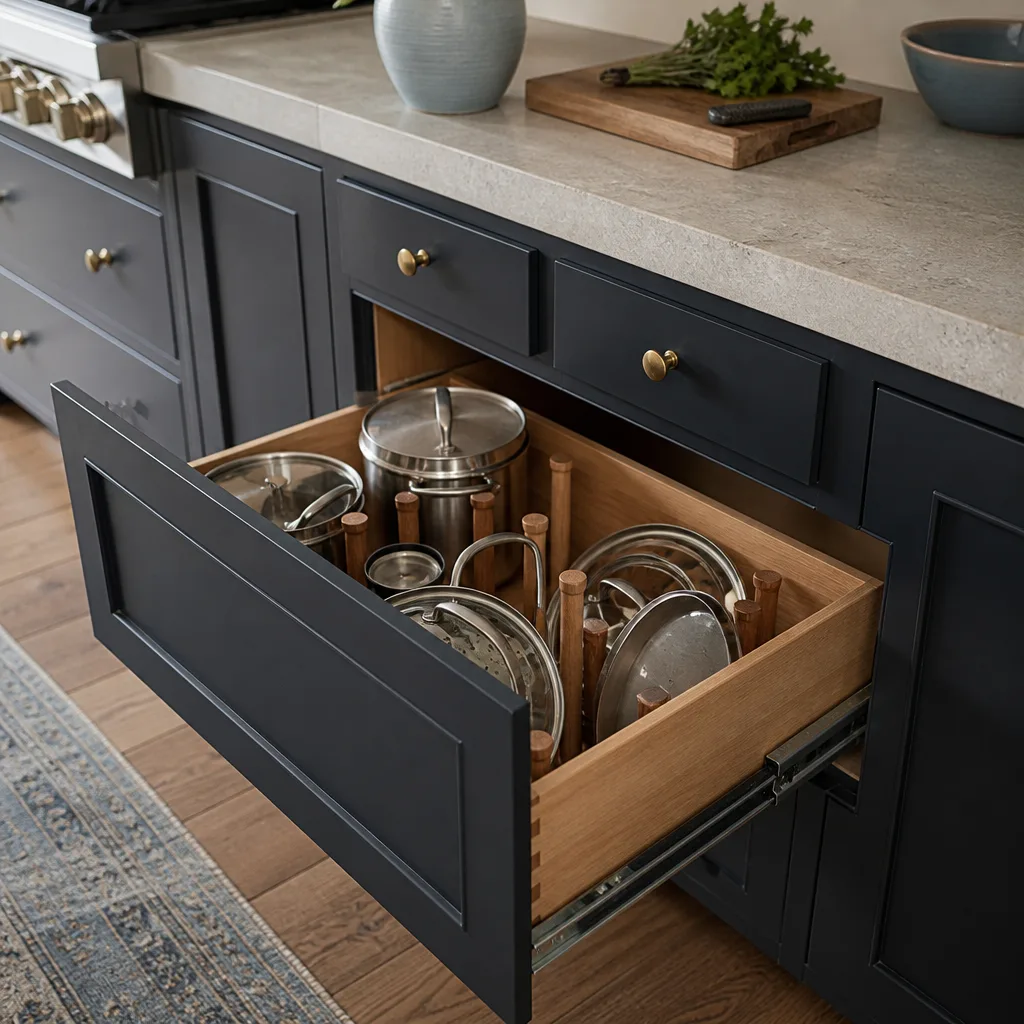
For Cambria home addition and ADU countertop replacement in Fort Lauderdale, installed pricing sits between $2,000 and $6,500 depending on slab size, edge profile, and whether we’re removing and hauling the old surface. If the repair is a single seam re-bond or edge chip fill, expect $450 to $1,200 including color-matched adhesive and a same-visit polish. For full addition builds where Cambria is part of the scope, the broader project runs $45,000 to $130,000, and the counter package is quoted as its own line item so you know exactly what the Cambria portion costs.
What’s included in every Cambria repair or replacement quote from us: written line-item pricing before any work starts, the tear-out and haul-away, sink or faucet disconnect and reconnect if applicable, the fabricated slab or seam repair, color-matched adhesive and silicone, and a 365-Day Done Right Promise on the labor. If the seam opens or the fill fails within a year, we come back at no charge. That’s the Relay Visibility Guarantee applied to Cambria work: live arrival time, photo updates, and a digital invoice you pay from a link.
DIY or Call Us?
You can safely check a few things yourself. Identify the slab thickness with a flashlight under the overhang. Measure the overhang distance at its deepest point. Wipe the suspected film with a damp microfiber and a quartz-safe cleaner to see if the haze lifts. Those checks tell us a lot before we even show up, and they cost you nothing.
What you should not DIY is the seam re-bond, the chip fill, or any structural support change. Quartz seams fail invisibly until they open, and a homeowner with a tube of epoxy usually bonds the face but not the substrate, which means the seam reopens in six months and now has contaminated adhesive in the joint. Chip fill also requires tinting to the exact design color; a generic white fill on Brittanicca looks like a scar. For overhang sag, adding support means understanding cabinet load paths and slab weight. This isn’t a spring under tension or a live electrical panel, but it’s still a 400-pound stone surface and a bad support job can crack it. If you’re in Fort Lauderdale and want to know whether it’s a repair or a replacement, call us at (754) 354-7423 and describe what you’re seeing. We’ll tell you straight which it is.
FAQs
Cambria quartz itself is nonporous and does not need sealing, so with normal use the surface lasts decades. The failure points in Fort Lauderdale are seams and support, not the stone. Seam adhesives typically hold 10 to 15 years in South Florida humidity before they need re-bonding, and support failures from slab settling can show up within five years on slab-on-grade foundations. A properly fabricated and installed Cambria counter should outlast the cabinets under it. Call (754) 354-7423 for a condition check if you’re unsure.
Yes, nearly every chip and seam separation on a Cambria surface can be repaired without replacement, as long as the structural slab isn’t cracked through. We color-match epoxy to the exact design, fill the chip or re-bond the seam, then polish to blend. A full-height crack that runs the depth of the slab usually does require replacement because the crack will telegraph through any adhesive. Call us at (754) 354-7423 with a photo and we’ll give you a repair-versus-replace answer in one conversation.
Most seam re-bonds and chip fills are done in a single two-to-three-hour visit, and the area is usable the same day once the adhesive has cured enough for light contact. Full counter replacement in an ADU kitchenette typically takes two visits: template and slab fabrication, then installation about seven to ten days later. We schedule repair visits around your availability and give you a live arrival time, not a four-hour window.
We keep Cambria remnants in the most common Fort Lauderdale designs, including Brittanicca, Ella, Torquay, and Skara Brae, plus the color-matched adhesives and edge-profile trim those designs need. That means most chip fills, seam re-bonds, and small replacement pieces can be quoted and scheduled without waiting on a fabricator’s production queue. For larger slabs, we order direct from Cambria through our fabricator network and handle the coordination ourselves. Call (754) 354-7423 and we’ll check our remnant rack while you’re on the phone.
Written by Luca Romano, Owner & Lead Contractor, Sawyer Remodel Fort Lauderdale at Sawyer Remodel Fort Lauderdale, serving Fort Lauderdale and nearby areas.


