
Free written scope consultation - allowances, timeline, and change-order rules on paper before a single trade is scheduled
James Hardie Roofing: The Fort Lauderdale Owner’s Guide
If you’re holding a cracked or blown-out James Hardie roofing component right now, here’s the straight answer: we stock James Hardie-compatible roofing parts in Fort Lauderdale and can typically install them same week, with most repairs landing between $400 and $1,800 depending on the part and access. You’ll usually find out something failed after a heavy Florida downpour, when water trails show up on the ceiling, or when you spot a shifted panel from the street. The good news: Hardie roofing is built for coastal sun and hurricane-driven rain, so failures are usually isolated and fixable without tearing off the whole roof.
Key takeaways:
- James Hardie roofing components are fiber cement, not vinyl or aluminum, so they behave differently in Fort Lauderdale’s humidity and salt air.
- Most failures we see are trim, flashing, or soffit-related, not the panel itself failing structurally.
- We give you a written price before any work starts, and the number on the invoice is the number you approved.
Which James Hardie Models This Applies To
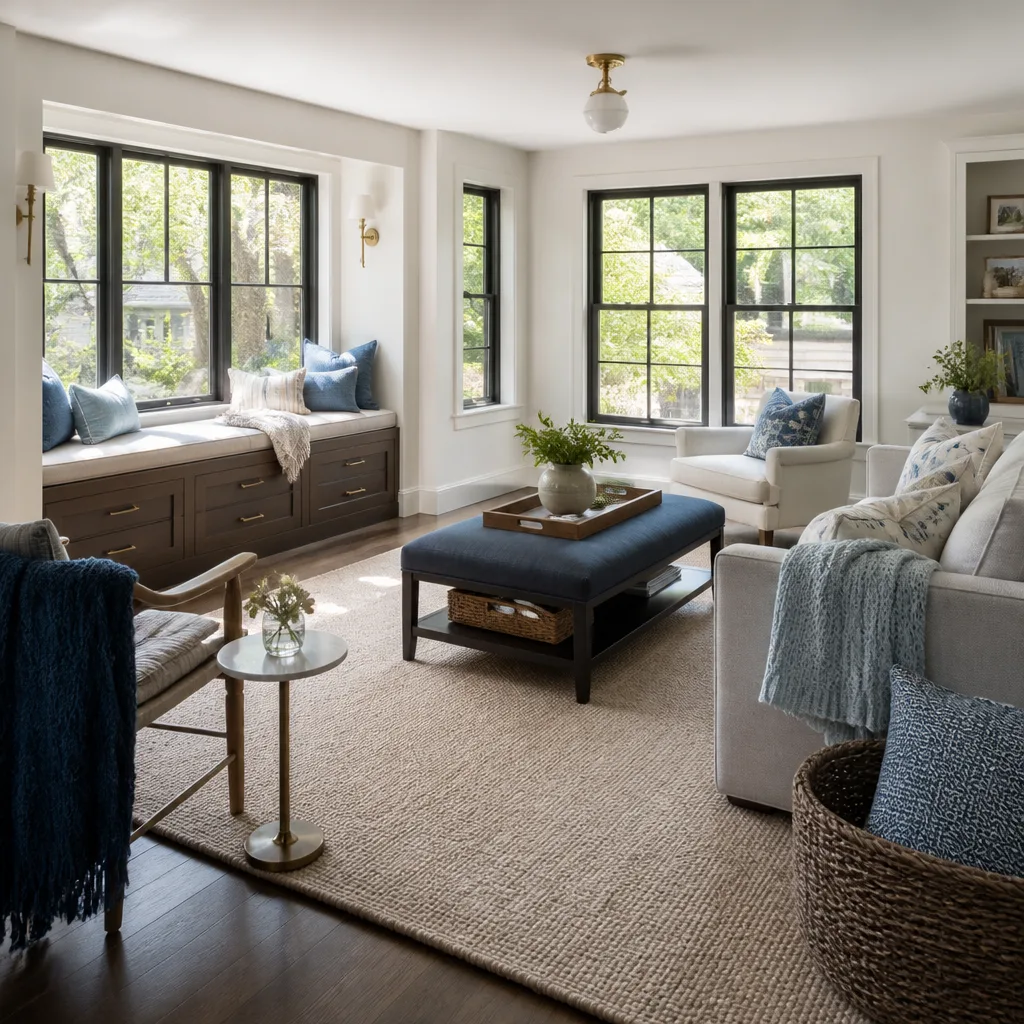
James Hardie makes roofing-adjacent products more than full roof decking, so most Fort Lauderdale homes we work on use Hardie panels and trim as soffit, fascia, rake board, and gable cladding rather than as the primary roof surface. That matters because the part you need depends on which Hardie line your home was built with. HardiePlank lap siding, HardiePanel vertical siding, and HardieSoffit panels all show up under and around rooflines, and they are not interchangeable. A HardiePlank piece is 5/16 inch thick and laps; a HardiePanel is 5/16 inch or 7/16 inch thick and butts flush against the next panel. Grab a tape measure and check the thickness before you call, it saves a wasted trip.
For the soffit specifically, HardieSoffit comes in vented and non-vented panels, and the vented version has a specific slot pattern that has changed over the years. A 2010-era vented soffit panel won’t match a 2022 panel exactly, even though both say James Hardie on the edge. OEM Hardie parts are what we default to because the color, texture, and edge profile match what’s already on the house. There are aftermarket fiber cement equivalents, but we’ve seen enough slight shade drift in Fort Lauderdale’s UV to know that an off-brand patch job reads like a patch job from across the street. Sawyer Remodel Fort Lauderdale is an independent contractor, not a James Hardie dealer or affiliate, so we tell you straight when OEM is worth the cost and when it isn’t.
Styles & brands we work with







Signs Your James Hardie Roofing Is Failing
- Water staining on the soffit or fascia. This usually means a gutter overflow or a roof edge leak is saturating the fiber cement from above. Fiber cement will hold up, but the paint and the caulk line won’t, and that’s the first thing to bubble.
- Chalky, faded, or peeling paint on roof-adjacent panels. Fort Lauderdale’s UV and salt air strip the factory finish faster here than inland. Once the primer is exposed, the panel starts absorbing moisture and you’re on a clock.
- Cracked or missing corner on a rake board or gable trim. Wind-driven debris during a summer storm is usually the culprit. Fiber cement is tough, but a flying branch has enough force to snap a corner clean off.
- Soft spots or bubbling along panel edges near the roofline. This is almost always a flashing failure behind the panel. The Hardie itself is fine, but the housewrap behind it is wet, and that’s where rot starts in Fort Lauderdale’s humidity.
- Visible gaps where the soffit meets the fascia. Thermal expansion moves fiber cement more than people expect. When installers don’t leave the proper 1/8 inch gap and caulk it right, the joints split open and pests get in.
See the difference
 Before
 After
After Before
 After
After Before
 After
AfterReplacement Cost & What’s Included
In Fort Lauderdale, James Hardie roofing-adjacent repair and replacement work typically runs $400 to $1,800, and that range is driven by three things: the specific part, the height and access of the roofline, and whether we’re patching a section or replacing a full run. A single cracked fascia board swap is on the low end. Replacing a full soffit run around a two-story roofline with scaffolding or a lift is on the high end. The parts themselves are not the expensive part of the job, the labor and the setup are.
You get a written line-item price before any work starts, so you’ll see exactly what the Hardie materials cost and what the labor hours break down to. Our 365-Day Done Right Promise covers the repair for a full year. If the panel or seal fails within that year, we come back and make it right, no argument.
DIY or Call Us?
You can absolutely do the identification work yourself. Get on a ladder, measure the thickness of the panel, look for the James Hardie edge stamp, take photos from three angles, and check whether the soffit is vented or solid. That information alone helps us bring the right part on the first trip. What you should not do is attempt the repair up near a roofline without proper fall protection and a second set of hands. Fiber cement is heavy, sharp when cut, and unforgiving when a panel slips. If the work involves a ladder higher than one story, a steep pitch, or cutting new panels to match an existing run, call us at (754) 354-7423. The estimate is free.
FAQs
In Fort Lauderdale’s salt air and UV, James Hardie trim and soffit typically lasts 20 to 30 years structurally, but the factory paint finish usually needs rework around year 10 to 15. The panel itself won’t rot or warp like wood, but the caulk joints and paint fail first, and once moisture gets behind the panel, the real damage begins. Call (754) 354-7423 and we’ll tell you honestly if you’re looking at a paint fix or a panel replacement.
A hairline crack can sometimes be sealed and painted if the panel is still firmly attached, but in our experience any crack that goes through the full panel thickness on a roofline edge is a replacement situation. Patching fiber cement near a roof edge leaves a weak point that wind will find. We’ll always show you the crack up close and explain the honest call before you spend a dollar.
A single fascia or soffit panel swap on a one-story Fort Lauderdale home usually takes two to four hours from setup to cleanup. A full soffit run replacement around a two-story home can take a full day or two, especially if we find flashing damage behind the panels. We’ll give you a written timeline with the written price, and we hit it.
We keep the most common HardieSoffit, fascia, and trim profiles on hand for Fort Lauderdale jobs, including the current vented and non-vented soffit patterns. If your home has an older edge profile or a color that’s been discontinued, we source OEM stock through our supplier network and confirm lead time before we schedule. You’ll never wait blind.
Written by Luca Romano, Owner & Lead Contractor, Sawyer Remodel Fort Lauderdale at Sawyer Remodel Fort Lauderdale, serving Fort Lauderdale and nearby areas.


