
Free written scope consultation - allowances, timeline, and change-order rules on paper before a single trade is scheduled
Oldcastle Home Additions & ADU: The Fort Lauderdale Owner’s Guide
An Oldcastle home addition in Fort Lauderdale typically runs $45,000 to $130,000 when we handle it, and an ADU on the same property usually lands between $90,000 and $220,000 depending on square footage, foundation work, and finish level. We stock the structural components, tie-ins, and flashing systems needed to connect new construction to existing Oldcastle block or paver work correctly, and we can usually start within two to three weeks of a signed contract. Most Fort Lauderdale property owners discover a problem when they notice water intrusion at the seam where an existing Oldcastle wall meets a newer addition, or when an ADU slab shows cracking that suggests the original block coursing wasn’t matched to the new load path.
Before we get deep into specifics: Sawyer Remodel Fort Lauderdale is an independent general contractor. We are not affiliated with Oldcastle. We work with their products every week because Fort Lauderdale has thousands of homes built on Oldcastle block and paver systems, and additions and ADUs over that existing work require someone who understands how those materials move, drain, and settle in South Florida’s sandy soil and humidity.
Which Oldcastle Models This Applies To
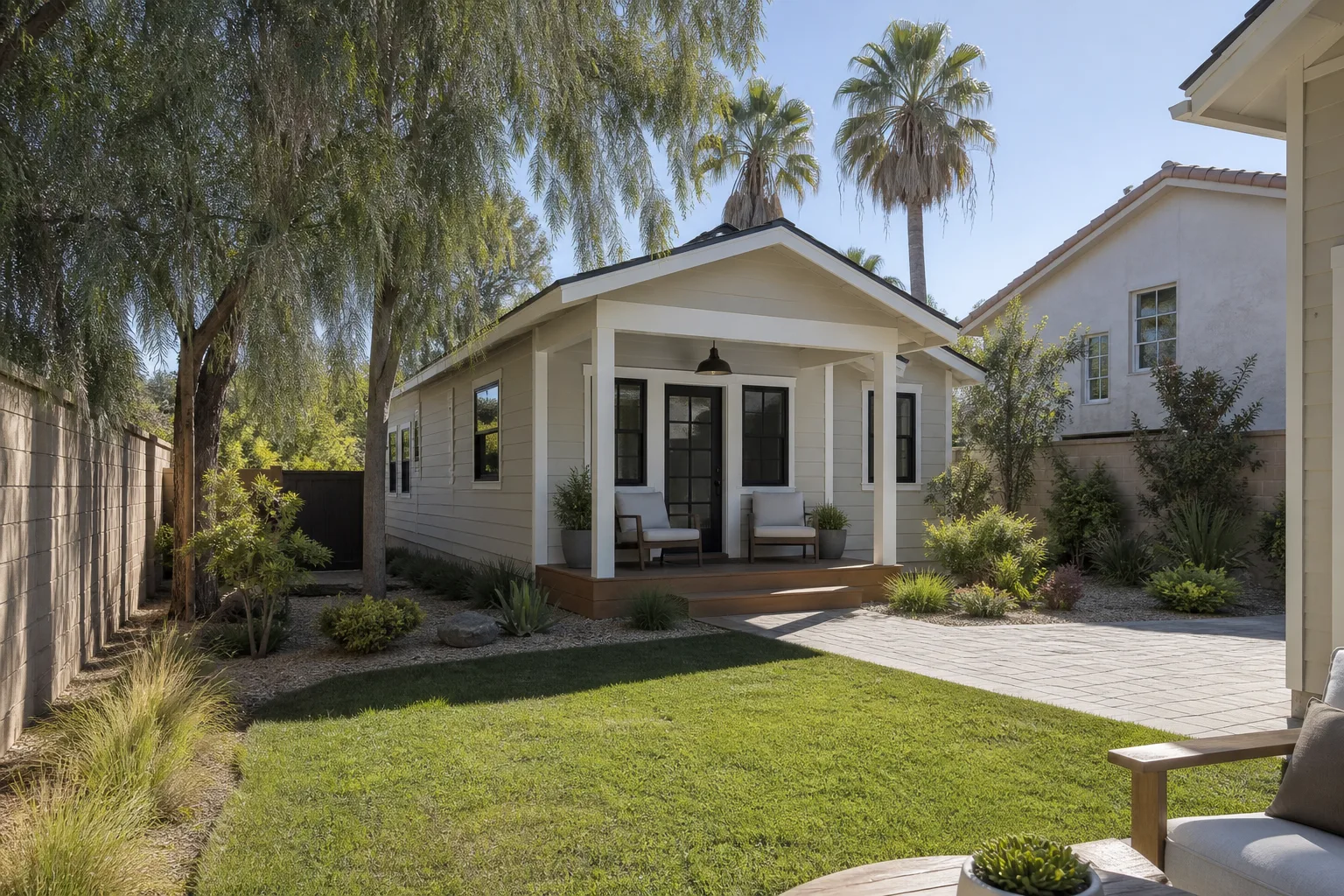
Oldcastle doesn’t name its product lines the way a cabinet maker does. You won’t find a “Series 440” stamped on a block. What you will find is a manufacturer’s mark, a batch code, and sometimes a plant identifier molded into the block or paver face. For additions and ADUs, the compatibility question isn’t about a model number. It’s about matching the existing block’s actual dimensions, density, and coursing pattern, because Oldcastle produces both standard 8x8x16 CMU and modular metric sizes that differ by a critical 10 millimeters, and that difference is what causes a mason to start shaving courses or building up mortar joints that crack within a year.
Here’s what we check before any addition or ADU goes vertical on an Oldcastle home: wall thickness (8-inch versus 12-inch block changes load capacity and tie-in detail), mortar type (Type S is standard for South Florida above-grade block, but some older Fort Lauderdale homes used Type N, which doesn’t have the same compressive strength), and whether the existing wall has a bond beam at the top course. If there’s no bond beam, the original wall won’t transfer lateral load the way an addition needs it to, and that’s the single most common structural surprise we find on homes built in the 1970s and 1980s around neighborhoods like Victoria Park and Poinsettia Heights. For ADUs specifically, Fort Lauderdale code now requires wind-load anchoring that many older Oldcastle slabs were never poured to accommodate.
On the parts side: for a matched addition, we use genuine Oldcastle block sourced from Florida plants whenever the original coursing and texture demand it. For ADU foundations, we’ll sometimes spec an aftermarket CMU equivalent if the Oldcastle batch is unavailable or if the load calculation calls for a higher-density block than what’s currently being produced. We tell you which one and why, with the price difference in writing before anything gets ordered.
Styles & brands we work with







Signs Your Oldcastle Home Addition or ADU Is Failing
- Horizontal cracking along the tie-in seam. When a new addition meets existing Oldcastle block and the connection wasn’t doweled or grouted properly, the two structures move at different rates through Fort Lauderdale’s wet-dry soil cycles. The crack runs horizontally along the seam, opens and closes seasonally, and lets water in behind the stucco.
- Stucco delamination near the roofline junction. South Florida sun heats the addition’s roofline differently than the original structure. If the flashing detail at the junction was caulked instead of properly flashed, the stucco blisters and peels within two or three summers. We see this constantly on flat-roof ADUs along Las Olas and Sailboat Bend.
- ADU slab cracking within 18 months of pour. Fort Lauderdale sits on sand and limestone. A slab poured without proper compaction or without respecting the existing Oldcastle paver drainage plane will crack diagonally from the corners. It looks cosmetic at first. It isn’t. That crack is a sign the subgrade is moving and the framing above it will follow.
- Doors and windows that bind seasonally. If the addition’s openings were framed tight to the rough opening without accounting for the humidity swing between January and August, the doors stick in summer and swing loose in winter. That’s not a hardware problem. That’s the structure breathing against the opening.
- Water staining at the base of the exterior wall after heavy rain. Oldcastle block wicks water. If the addition’s base course wasn’t set above grade with a proper capillary break, rainwater collects at the slab edge and wicks up through the block. You’ll see efflorescence, then paint failure, then spalling.
Replacement Cost & What’s Included
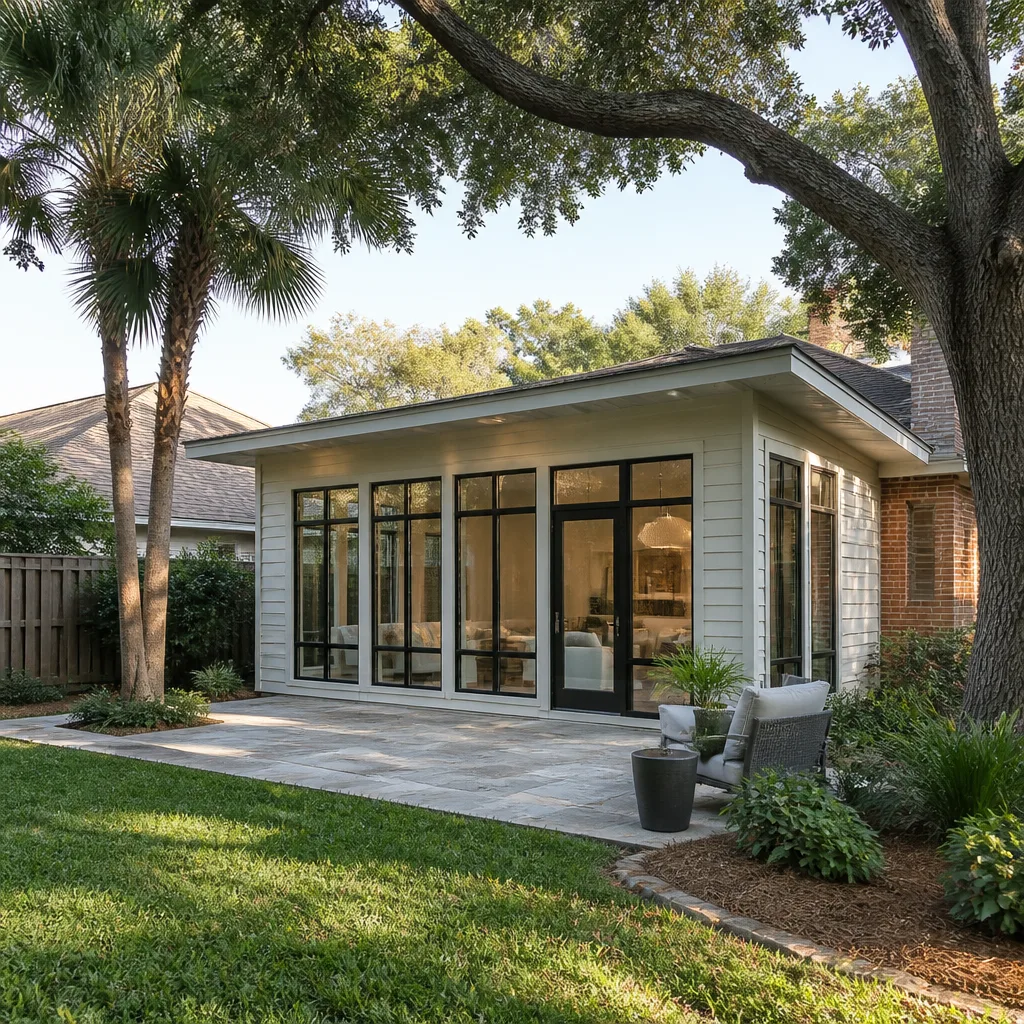
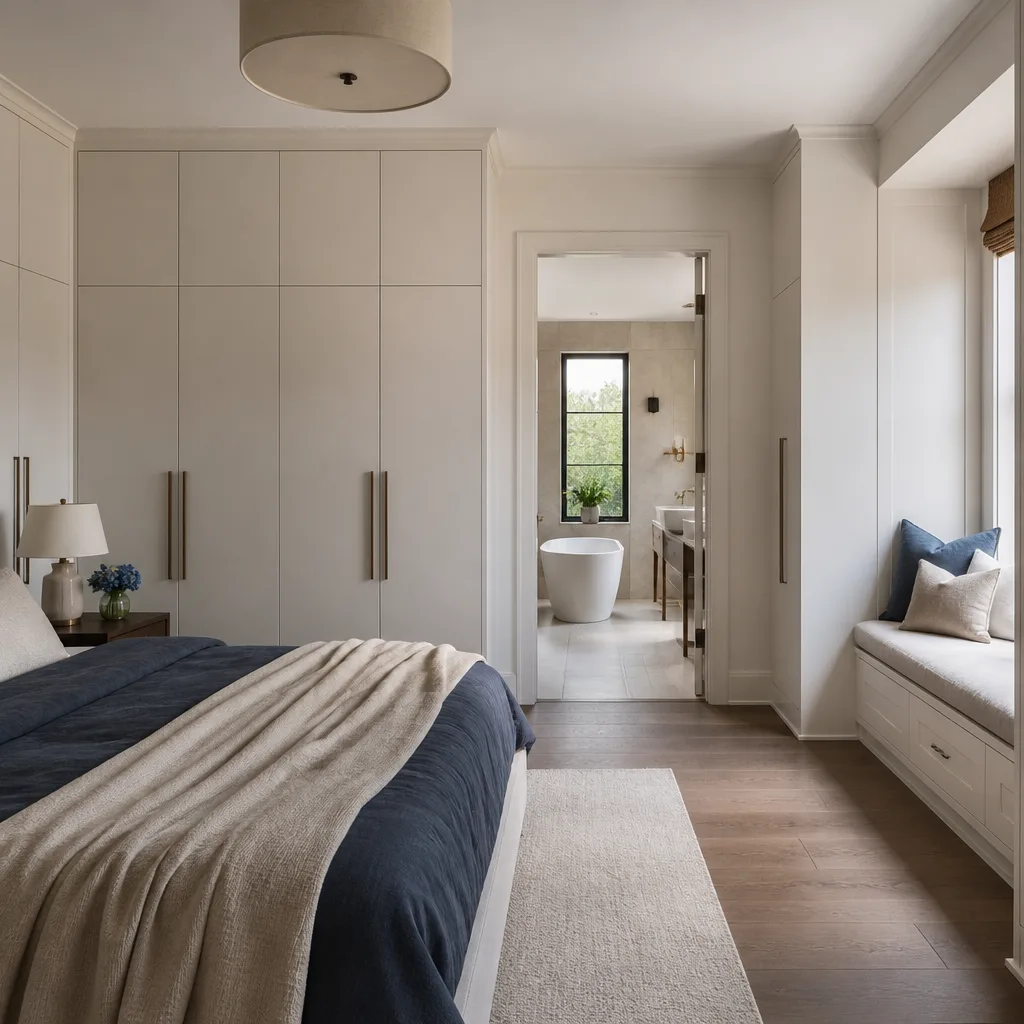
For Fort Lauderdale, a full home addition built to current code runs $45,000 to $130,000. That range covers everything from a 300-square-foot single-room bump-out to a 600-plus-square-foot master suite addition with a bathroom. An ADU is a different animal: $90,000 to $220,000, because you’re adding a foundation, full mechanicals, a kitchenette or full kitchen, and separate metering or subpanel work, plus Fort Lauderdale impact and wind-load requirements that don’t apply to a simple addition.
What moves the number within those ranges: foundation type (slab on grade is least expensive, elevated or stem-wall is more), tie-in complexity (matching into a bond beam versus creating one), roof tie-in versus separate roof, and finish level. A drywall-and-paint ADU with a builder-grade kitchen is going to sit near the bottom. A hardie-siding ADU with Cambria counters, a Kohler shower, and impact windows sits near the top.
Every quote we write for an Oldcastle addition or ADU in Fort Lauderdale is a line-item price. Parts, labor, permitting, engineering, material delivery, dumpsters. The number we put in your hands before you sign is the number on the invoice, unless you change the scope. We do not do change orders that surprise you. If the city inspector requires something we didn’t anticipate, we stop work, tell you what it costs, and you approve it before we proceed. Written price, no exceptions.
See the difference
 Before
 After
After Before
 After
After Before
 After
AfterDIY or Call Us?
Here’s the honest split. You can identify a failing tie-in yourself by looking for the signs I listed above. You can measure your existing block, check for a bond beam by drilling a small test hole where no one will see it, and photograph your slab cracks monthly to see if they’re moving. That’s useful information and it makes our first visit faster. What you should not do is attempt to repair a structural tie-in or pour an ADU slab yourself. Structural CMU work in Fort Lauderdale requires engineering, permits, and inspections. The work either holds up or it doesn’t, and when it doesn’t, it’s a five-figure problem on top of the original job. High-density block, rebar doweling, grout placement, tie-beam continuity, wind-load anchoring: these aren’t weekend projects. If the seam between your Oldcastle home and an addition is failing, call us at (754) 354-7423. We’ll come out, look at it, and tell you what’s actually wrong before anyone touches a tool.
Can You Match the Existing Oldcastle Block Texture?
Yes, in most cases. Oldcastle produces block in a range of face textures, from smooth to split-face to ground-face. The challenge is that a wall built in 1985 has been weathered by four decades of Fort Lauderdale sun and salt air, so even the correct texture from a current lot won’t match perfectly on day one. We handle that by sourcing the closest current-production match and then using a tinted stucco or a texture-applied finish to blend the seam. On additions where the existing block is heavily weathered, we’ll recommend a full resurfacing of the new and old wall together so the finished product reads as one surface. That’s a scope decision we make with you at the quote stage, not after the block is up.
FAQs
A properly built Oldcastle CMU addition in Fort Lauderdale should last 50 to 80 years before structural remediation is needed, and the block itself will outlast the roof covering, the windows, and several paint cycles. The failure points are almost always the connections, the flashing, and the stucco envelope, not the block. If a tie-in fails in year five, the block wasn’t the problem. The connection detail was. Call (754) 354-7423 and we’ll diagnose the actual failure point.
Repair is usually possible and almost always cheaper. Cracked tie-in seams can be ground out, doweled, grouted, and refinished. A moving ADU slab can sometimes be stabilized with helical piers instead of a full tear-out. Replacement only makes sense when the original work was so structurally deficient that repairs would cost more than rebuilding, and that’s rare enough that we see it once or twice a year across all of Fort Lauderdale.
A single-room addition typically runs 10 to 16 weeks from permit approval to final inspection. An ADU runs 4 to 8 months depending on size, foundation, and finish. The permitting timeline in Fort Lauderdale is the wildcard: plan review can take 3 to 10 weeks depending on caseload and whether the addition triggers a zoning variance, which many ADUs in the older neighborhoods like Tarpon River and Riverside Park do. We handle the permitting, the engineering, and the inspections. You handle picking the finishes.
We don’t stock Oldcastle block on a shelf because South Florida humidity degrades stored cementitious products and block needs to be sourced fresh per job to match the existing lot. What we do stock on the truck for Oldcastle-related work: tie-in dowels, epoxy grout, Type S mortar, flashing material, and the anchors we use for wind-load and lateral connections. The block itself is ordered from the Florida plant that currently produces the closest match to your existing wall, and we verify the match before a single pallet gets delivered. We also source parts and materials for KraftMaid, Cambria, and Silestone finishes on the interior side of additions and ADUs, so the whole job coordinates from one supplier relationship instead of five.
Written by Luca Romano, Owner & Lead Contractor, Sawyer Remodel Fort Lauderdale at Sawyer Remodel Fort Lauderdale, serving Fort Lauderdale and nearby areas.


