
Last updated October 16, 2026




Free written scope consultation - allowances, timeline, and change-order rules on paper before a single trade is scheduled
Seasonal Construction Care for Fort Lauderdale: Year-Round Homeowner’s Guide
Here’s the thing most national home maintenance guides get wrong about Fort Lauderdale: they hand you a spring checklist and a fall checklist and call it a year. But our calendar isn’t split into four equal seasons. It’s split into two realities. There’s hurricane season, which runs June through November, and then there’s the dry stretch from December to May when the air finally lets go of some of its humidity. A homeowner who schedules projects around those two windows instead of calendar months saves money, avoids contractor backlogs, and keeps their house from turning a minor repair into a six-figure insurance claim. This guide walks you through what to do, when to do it, and why the timing matters more than most contractors will admit, and you can find more guides & resources on our blog. If you own a home in Fort Lauderdale, this is the year-round playbook for keeping your structure sound.
Styles & brands we work with







Quick Answer
Fort Lauderdale homeowners should schedule all exterior construction, roof work, and impact-window installation between March and May, before hurricane season starts June 1. Interior remodels like bathroom remodeling in Fort Lauderdale are best planned for July through September, when contractors have more availability and your home’s envelope stays sealed. After hurricane season ends in November, book a post-storm inspection covering fasteners, soffits, and drainage grading before the December holidays.
Table of Contents
- The Dry Season (December – May): Your Construction Window
- The Pre-Season Window (March – May): Why It’s the Best Time for Exterior Work
- What to Inspect and Document Before June 1
- Mid-Season (July – September): The Right Time for Interior Remodels
- Post-Season (November – December): The Inspection Checklist
- How Fort Lauderdale Humidity Affects Concrete, Stucco, and Paint
- What Seasonal Work Costs in Fort Lauderdale
- Common Mistakes to Avoid
- When to Call a Professional
- Frequently Asked Questions
- The Bottom Line
The Dry Season (December – May): Your Construction Window
Fort Lauderdale’s dry season is the closest thing we get to a construction season anywhere else in the country, which is why we published The Complete Guide to Construction in Fort Lauderdale. From December through May, rainfall drops to roughly two to three inches per month, humidity sits lower than during the summer slog, and temperatures stay mild enough for crews to work full days without rotating shade breaks. That combination matters more than most people realize, especially for exterior projects. Concrete cures more predictably, stucco sets without getting rained on mid-application, and exterior paint actually bonds to the surface instead of blistering.
The dry season is also when general contractors in Fort Lauderdale book their largest volume of work. Homeowners who plan roofing, siding, or home renovation in Fort Lauderdale during these months get the best weather windows. But there’s a catch: everyone else knows this too. The December holiday slowdown gives way to a late-January rush, and by February most reputable crews are booked four to eight weeks out. That’s why we tell homeowners to start planning in early December, not early spring. Get your estimates during the holiday lull, sign your contract in January, and lock in a March or April start date. You’ll beat the rush and get the best weather of the year for your project.
Here’s what the dry season is ideal for:
- Roof replacement and repair: Shingle and tile work needs dry surfaces. A mid-summer afternoon thunderstorm can ruin a partially completed roof deck in 20 minutes.
- Exterior paint and stucco: Both need 48 to 72 hours of consistent dry, non-humid conditions to cure properly.
- Impact-window and door installation: Removing an old window or door opens the home’s envelope. Doing that when the weather is predictable means less risk of water intrusion mid-job.
- Concrete work: Driveways, walkways, and slabs cure stronger in lower humidity. Summer pours can develop surface crazing if the water evaporates too fast.
- Screen enclosure and pergola work: These structures sit fully exposed. Building or repairing them in dry conditions means the fasteners and connections don’t get a rust head start.
The Pre-Season Window (March – May): Why It’s the Best Time for Exterior Work
If you only schedule one construction window all year, make it March through May. This is the sweet spot in Fort Lauderdale. The dry season is still holding, temperatures haven’t hit their summer peak, and you’re still far enough from June 1 that a project can finish before hurricane season officially begins. A roof that goes on in April is tested, inspected, and buttoned up before the first named storm forms. An impact-window installation completed in May is ready for the season, not fighting it.
The problem is that most homeowners don’t start thinking about hurricane prep until a storm appears on the radar. By then, every contractor in Broward County is booked, and you’re waiting six to ten weeks for a roof repair while a storm churns in the Atlantic. We’ve seen this pattern every year since we started in 2005. The homeowners who get their exterior work done in April and May are the ones who aren’t scrambling in August. The ones who wait until June are calling us in a panic, and we have to tell them the honest truth: the queue is full, and your roof will have to wait.
Here’s the step-by-step timeline we recommend for pre-season exterior work:
- Early March: Walk your property or hire a general contractor in Fort Lauderdale to inspect roof, fascia, soffits, window seals, and screen enclosures. Document everything with photos.
- Mid-March: Get written estimates for any exterior work that needs to happen before June 1. Prioritize anything involving the roof, windows, doors, or exterior fasteners.
- Early April: Book your chosen contractor. Do not wait. April slots fill fast.
- Mid-April to late May: Complete the work. Aim to have everything wrapped by Memorial Day at the latest.
- Last week of May: Do a final walkthrough with your contractor. Confirm all permits are closed, all inspections passed, and all fasteners torqued to spec.
What to Inspect and Document Before June 1
Every Fort Lauderdale homeowner should do a structural inspection before June 1, whether or not they have work planned. The purpose is twofold. First, it catches problems while you still have time to fix them. Second, it creates a documented record of your home’s condition before hurricane season, which matters if you ever need to file an insurance claim. Insurance adjusters look more favorably on claims when the homeowner can prove the damage wasn’t pre-existing. Photographs with date stamps are your best friend here.
Here’s the checklist we walk through with every homeowner before hurricane season starts:
- Roof fasteners and flashing: Loose flashing, lifted shingles, missing tiles. Check around vents, chimneys, and skylights. These are the first points of failure in high winds.
- Soffit and fascia integrity: Soffits that are loose, cracked, or poorly fastened let wind get into the attic, which can lift the entire roof deck. This is one of the most overlooked pre-hurricane issues we see in Fort Lauderdale.
- Window and door seals: Check for gaps, dried-out caulking, or fogging between panes on impact glass. The seal is what keeps water out during a sideways rain.
- Screen enclosure fasteners: Aluminum screen enclosures around pools and patios become wind sails in a storm. Check every connection point where the frame meets the house or the concrete pad.
- Drainage grading: Make sure the soil around your foundation slopes away from the house. Flat or inward-sloping grade means water pools at the foundation during heavy rain, which leads to interior moisture, mold, and slab issues over time.
- Tree limbs overhanging the roof: Trim anything that could scrape shingles or break off and puncture the roof during a storm.
Document everything with clear, date-stamped photos. Store them in a folder you can access from your phone. If you do end up filing a claim, that documentation tells the story. Without it, the insurer uses their own photos, and their photos tell their version.
Mid-Season (July – September): The Right Time for Interior Remodels
Once hurricane season starts in June, we shift our recommendation. This isn’t the time to tear off your roof or replace your windows. It’s the time to move work indoors. July through September is actually the best window for interior remodels in Fort Lauderdale, and for a reason most homeowners don’t consider: contractor availability. The exterior crews are slammed with storm-prep work and emergency repairs. The interior crews are not. That means shorter wait times, more scheduling flexibility, and often more competitive pricing on labor for kitchens, bathrooms, and whole-home interior renovations.
There’s a structural logic here too. During the summer months, your home’s envelope, the roof, the windows, the exterior walls, stays closed. That keeps rain, humidity, and wind out of your living space while crews work inside. It’s the safest time of year to open up a bathroom wall or pull up a tile floor, because the outside world isn’t trying to get in. Try doing that in March and a late-season front can push water through an unprotected opening.
We tell homeowners to think of it this way: spring is for the shell, summer is for the inside. Book your drywall, tile, cabinetry, and fixture work for July or August. It gives you a finished interior space by the holidays, and it keeps your house protected during the most volatile weather months of the year.
Post-Season (November – December): The Inspection Checklist
After November 30, when hurricane season officially ends, the natural instinct is to relax. The storms are done. The threat is over. But here’s what most Fort Lauderdale homeowners skip: the post-season inspection. A storm-active year, even one with no direct hits, puts real stress on a house. High winds vibrate fasteners loose. Heavy rain finds the one seam that was starting to fail. Salt air corrodes metal connections. The post-season walkthrough is how you catch those small problems before they become dry-season emergencies.
Here’s the checklist we recommend for every Fort Lauderdale home after hurricane season closes:
- Fastener check: Walk the perimeter and look at every visible fastener: roof flashing, fascia boards, screen enclosure brackets, gutter hangers, fence posts. Anything loose gets tightened or replaced now, not next June.
- Soffit inspection: Check for cracks, warping, or gaps where soffits meet the fascia. Wind-driven rain gets into those gaps and sits in the attic, where it breeds mold.
- Drainage grading: Florida’s summer rains can shift soil, especially around newer construction. Check that the ground still slopes away from your foundation. Regrade if necessary before the next wet season.
- Gutter and downspout clearing: Summer storms fill gutters with leaves, twigs, and debris. Clogged gutters overflow and dump water directly at the foundation line.
- Caulk and sealant around windows and doors: UV exposure degrades exterior caulk faster in South Florida than in most of the country. Re-seal any gaps you find before the winter winds arrive.
- Concrete and paver settlement: Check walkways, driveways, and pool decks for new cracks or sinking. Small settlement is normal, but larger shifts can indicate drainage problems underneath.
How Fort Lauderdale Humidity Affects Concrete, Stucco, and Paint
Most national construction guides don’t account for what South Florida humidity does to building materials. This is one of the biggest gaps we see between advice written for a national audience and what actually works in Fort Lauderdale. Humidity isn’t just uncomfortable. It changes how concrete cures, how stucco sets, and how paint adheres. If your contractor isn’t thinking about these variables, you’re paying for a job that won’t last as long as it should.
Concrete is a good example. Concrete cures through a hydration reaction, which means it needs moisture. But in high humidity, the surface moisture doesn’t evaporate quickly, which can lead to a weaker surface layer if the mix isn’t adjusted. In Fort Lauderdale’s summer, a standard mix can set too fast on the surface while the interior stays soft. The result is surface crazing, tiny cracks that don’t look like much at first but let water in over time. The fix is simple: pour concrete during the dry season, or use a mix designed for high humidity. But most low-bid contractors won’t adjust anything. They’ll pour the same mix they’d pour in Orlando or Tampa and call it done.
Stucco has a similar sensitivity. Stucco needs to cure slowly and evenly. In high humidity, the outer layer can set while the inner layer stays wet, especially when the sun bakes the surface. That creates delamination, where the stucco separates from the wall behind it. You won’t see it right away. You’ll see it two or three years later when cracks appear and moisture gets behind the finish. The best time to apply exterior stucco in Fort Lauderdale is December through April, when humidity is lower and the surface can cure at a consistent rate.
Paint is the same story. Exterior paint applied during a high-humidity period can blister, because the moisture trapped under the paint film pushes up as the sun heats the surface. The paint bonds to the wall before the surface is fully dry, and then it fails from underneath. We recommend exterior painting from December through May, and even then, we watch the dew point. If the dew point is too close to the air temperature, the surface stays damp and the paint won’t stick. That’s the kind of detail that separates a five-year paint job from a ten-year one.
What Seasonal Work Costs in Fort Lauderdale
Homeowners shouldn’t have to call a contractor just to know if a project is in their ballpark. Here are the realistic price ranges we see in the Fort Lauderdale market as of this year. These aren’t national averages pulled from a website. They’re the numbers we quote in this city, where labor costs, material costs, and permitting requirements run higher than the national baseline.
- Roof replacement (shingle, 1,800 sq ft home): $12,000 – $22,000 depending on pitch, tear-off, and material. Tile roofs run higher, typically $25,000 – $40,000.
- Impact-window installation (whole house, 10 – 15 windows): $14,000 – $30,000. PGT and similar impact-rated brands make up a large share of this cost.
- Exterior paint (full house): $4,500 – $9,000 including prep and premium paint.
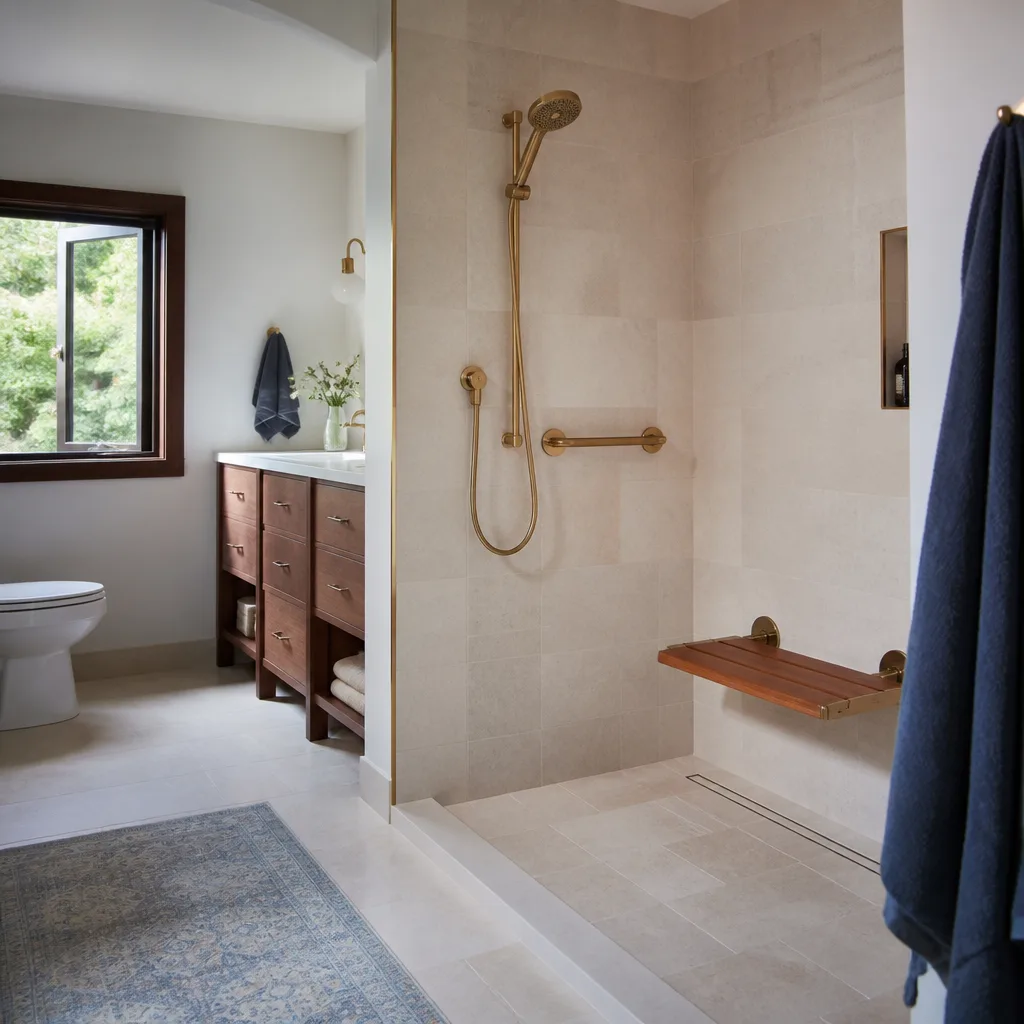
- Bathroom remodel (mid-range, 5×8 foot): $22,000 – $38,000 depending on material level. Fixtures from Kohler or Moen and surfaces from Cambria or Silestone push toward the higher end.
- Kitchen remodel (mid-range, 200 sq ft): $45,000 – $80,000. Cabinetry from KraftMaid or Wellborn and countertops from Caesarstone are the biggest cost drivers.
- Screen enclosure repair or replacement: $1,500 – $8,000 depending on size, condition, and whether the frame needs full replacement.
- Concrete driveway or walkway pour: $6 – $10 per square foot for standard concrete, more for pavers or decorative finishes.
These ranges assume a licensed contractor pulling permitted work with a written contract. You can find lower numbers with unlicensed labor or handyman crews, but those numbers come with a risk profile we don’t recommend. In Fort Lauderdale, the cost of a re-do after a failed unpermitted job typically runs two to three times the original price.
Common Mistakes to Avoid
- Waiting until a storm forms to book exterior work. By the time a named storm is in the Atlantic, every contractor in Broward County is booked. Pre-season work in March or April is the only reliable path.
- Scheduling roof or window work in August. Removing the home’s envelope during hurricane season invites water intrusion. Save exterior work for the dry season and keep the shell sealed during summer.
- Ignoring post-season fastener checks. A year of wind vibration loosens connections, especially on screen enclosures and fascia. Skipping the check means those loose fasteners get found during the next big blow.
- Pouring concrete or applying stucco in high humidity without adjusting the mix. The result is surface failure that shows up two or three years later. Dry-season scheduling costs less in the long run.
- Choosing a contractor based on the lowest bid without checking licensing and insurance. Unlicensed work is a huge problem in Fort Lauderdale. A low bid that skips permits saves money now and costs double when the work fails and your insurer denies the claim.
- Not documenting pre-season roof and exterior condition. Without dated photos, you’re arguing with your insurer from a weak position. Documentation is free. Claims denials are not.
When to Call a Professional
Some seasonal tasks are fine for a weekend DIY effort: clearing gutters, trimming branches, checking caulk. But anything involving the roof, structural fasteners, impact windows, or drainage grading is worth professional eyes. The risk isn’t just getting it wrong. The risk is getting it wrong and not finding out until a storm exposes the mistake. If you’ve noticed missing shingles, water stains on a ceiling, gaps around window seals, or soil that slopes toward your foundation, that’s the moment to call.
Sawyer Remodel Fort Lauderdale offers free estimates in Fort Lauderdale. Call (754) 354-7423 and we’ll walk the property with you, point out what needs attention now versus what can wait, and put a written price in your hands before any work starts.
Frequently Asked Questions
March through May is the best window for exterior construction in Fort Lauderdale. The dry season is still holding, temperatures are moderate, and work finishes before hurricane season starts June 1. Roofing, window replacement, stucco, and painting all perform best during these months. Call (754) 354-7423 to get on the schedule before the summer backlog.
Yes, and July through September is actually one of the best times for interior remodels in Fort Lauderdale. Exterior crews are busy with storm work, so interior teams have more availability. Your home’s envelope stays sealed, which keeps rain and humidity out. We tell homeowners to plan bathroom and kitchen work for summer and exterior work for spring. For a written estimate on a bathroom remodel in Fort Lauderdale, call (754) 354-7423.
A shingle roof replacement in Fort Lauderdale typically runs $12,000 to $22,000 for a 1,800 square foot home, depending on pitch, tear-off, and material choice. Tile roofs run higher, usually $25,000 to $40,000. These numbers reflect local market pricing, not national averages. For an exact quote, call (754) 354-7423 and we’ll inspect your roof and put the price in writing.
No, not with Sawyer Remodel Fort Lauderdale. Every project includes a written price before any work starts. That’s part of The Relay Visibility Guarantee: the number on the invoice is the number you approved. If we find something unexpected behind a wall, we stop and show you photos before any change is approved in writing. No surprises, no handshake math.
Yes, every project that requires a permit in Fort Lauderdale gets one. We handle the paperwork, schedule the inspections, and make sure the job closes with all approvals in hand. Unpermitted work is a common problem in this market, and it creates real problems when you go to sell or file an insurance claim. We don’t do unpermitted work.
A mid-range bathroom remodel in Fort Lauderdale takes four to seven weeks from demo to final inspection, depending on material lead times and scope. Custom tile work, moving plumbing, or special-order cabinetry extends the timeline. Before we start, you get a written schedule with clear milestones so you know what’s happening every week. For a specific timeline on your project, call (754) 354-7423 for a free estimate.
The Bottom Line
Fort Lauderdale doesn’t have four seasons, and your construction care plan shouldn’t either. The calendar that matters here is the Atlantic hurricane season, which runs June through November, and the dry stretch from December to May. Schedule exterior work in the spring, push interior remodels into the summer, and do a post-season inspection once the storms clear. Document everything, pull permits, and work with contractors who put prices in writing. If you want a walkthrough of your home’s seasonal needs, call (754) 354-7423 for a free estimate from Sawyer Remodel Fort Lauderdale. We’ll tell you what needs attention now, what can wait, and what it costs, all before any work begins.
Written by Luca Romano, Owner at Sawyer Remodel Fort Lauderdale, serving Fort Lauderdale since 2005.
See the difference
 Before
 After
After Before
 After
After Before
 After
After

