
Last updated October 16, 2026


Free written scope consultation - allowances, timeline, and change-order rules on paper before a single trade is scheduled
Construction Cost Breakdown: The Fort Lauderdale Homeowner’s Reference for 2026
National remodeling cost averages will mislead you in Fort Lauderdale by anywhere from 15 to 25 percent, and the gap comes down to one thing: Florida Building Code compliance that national calculators never price in. Impact glazing alone adds $8 to $15 per square foot to every exterior opening, and that’s before you touch Broward County permit fees, wind mitigation requirements, or the reality of a labor market still stretched thin since the post-Ian reconstruction boom. This guide gives you real 2026 numbers by project type, with the Fort Lauderdale-specific line items broken out separately so you can see exactly where your money goes and why.
Quick Answer
Construction costs in Fort Lauderdale run meaningfully above national averages because of Construction Permits, Codes & Inspections in FL: What You Need to Know, hurricane-rated material requirements, and persistent labor shortages in skilled trades. For 2026, expect a bathroom remodel to land between $18,000 and $45,000, a kitchen between $40,000 and $95,000, an addition at $220 to $410 per square foot, and a roof replacement between $12,000 and $28,000, with permit fees and inspections adding another 3 to 6 percent on top of construction costs on most projects.
Styles & brands we work with







Table of Contents
- Project Cost Ranges for 2026
- Broward County Permit Fees and Inspection Costs, Broken Out
- What Hurricane-Rated Materials Add (and What They Save on Insurance)
- Fort Lauderdale Labor Rates by Trade
- How to Read Materials Markup vs. Pass-Through Pricing
- The Cost of Retroactive Permitting vs. Doing It Right the First Time
- Common Mistakes to Avoid
- When to Call a Professional
Project Cost Ranges for 2026
Before we get into the Fort Lauderdale-specific variables, you need baseline numbers. These ranges reflect what we’re seeing from mid-2025 into 2026 across the Fort Lauderdale metro, including neighborhoods like Victoria Park, Rio Vista, Sailboat Bend, and Coral Ridge. They assume a mid-range material package: name-brand but not luxury, correctly permitted, and installed by licensed trades.
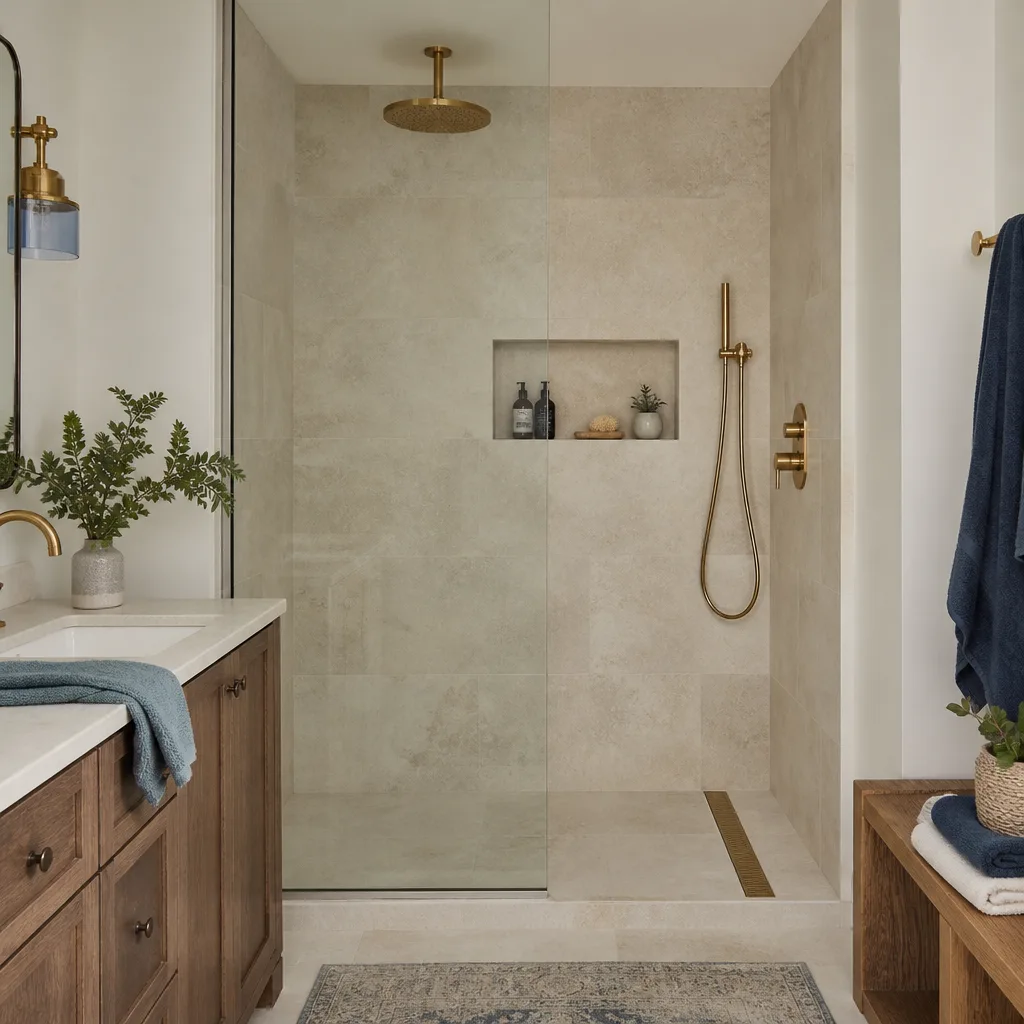
A bathroom remodeling project in a standard 5×8-foot hall bath runs $18,000 to $32,000. A larger primary bath with a walk-in shower, double vanity, and tile to the ceiling lands between $28,000 and $45,000. The spread comes from waterproofing method (cement board versus Schluter systems), fixture grade, and whether you’re moving plumbing. In Fort Lauderdale’s older neighborhoods, many homes still carry cast-iron drain lines from the 1960s and 70s, and if yours need replacement, add $3,000 to $6,000 to the job.
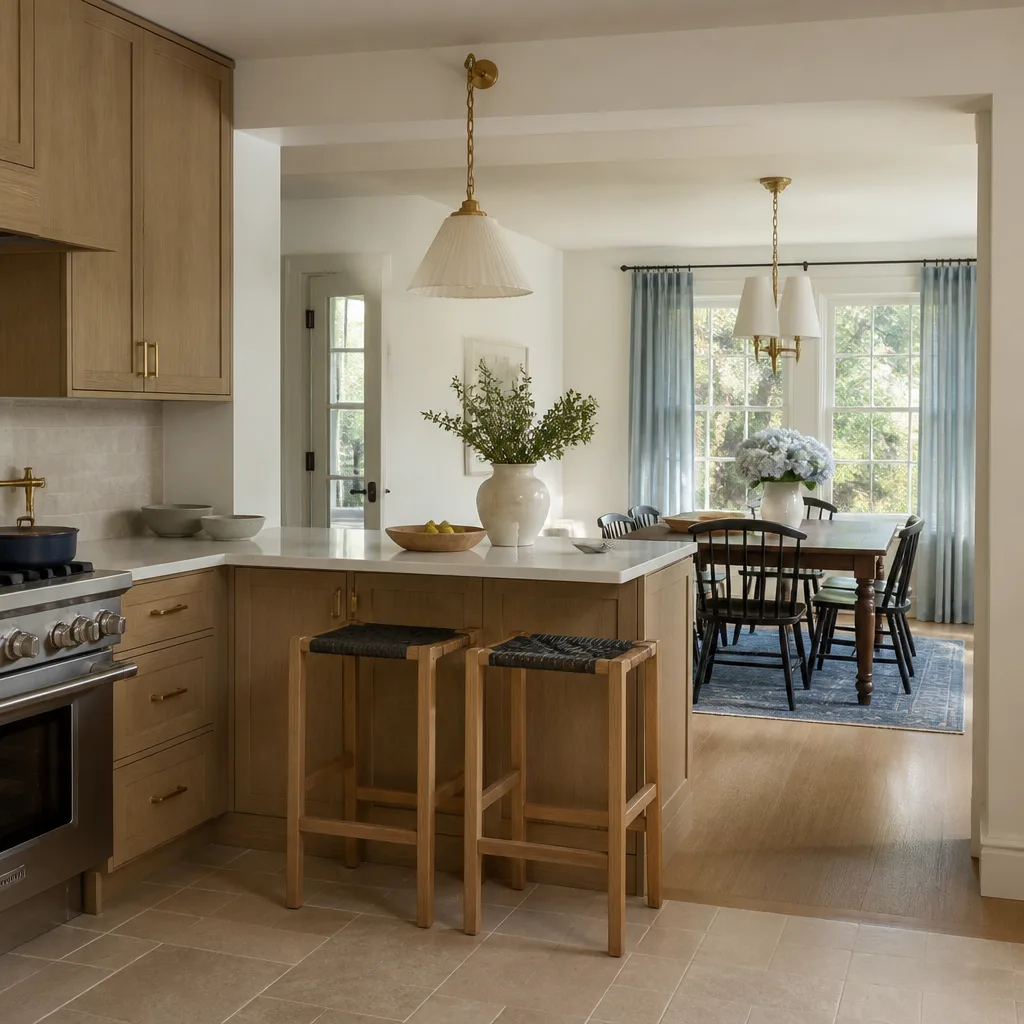
A full home renovation kitchen runs $40,000 to $75,000 with stock or semi-custom cabinetry (KraftMaid or Wellborn), quartz counters in the $60 to $90 per square foot range, and mid-tier appliances. Custom cabinetry and premium stone push that to $95,000, and high-end builds in Rio Vista or Las Olas Isles routinely pass $130,000. Structural work, layout changes, and 2020-era supply chain volatility on specialty hardware mean kitchen costs still carry more uncertainty than any other interior project.
Room additions vary by structural complexity. A simple bump-out runs $220 to $280 per square foot. A second-story addition costs $310 to $410 per square foot because you’re re-engineering the existing roof structure and adding a stair connection. In Fort Lauderdale, most additions also trigger impact glazing requirements on new openings and often a wind mitigation inspection on the remaining existing structure, which brings us to the next section.
Roof replacement in Fort Lauderdale runs $12,000 to $28,000 depending on system. Architectural shingles from GAF or Owens Corning with a standard underlayment land in the $12,000 to $18,000 range for a typical 1,800 square foot home. A standing seam metal roof or tile system with enhanced fastening runs higher, and if you’re in a flood zone that affects access, scaffolding costs climb. The Florida Building Code also requires certain underlayment types in the High Velocity Hurricane Zone, which matters more when we look at how to read a bid.
Broward County Permit Fees and Inspection Costs, Broken Out
Permit fees in Broward County are calculated differently than in most Florida counties, and you’ll want these as a separate line item on any bid you receive, not buried inside a lump sum. The county uses a formula based on valuation of the work, plus flat fees for plan review, and Fort Lauderdale adds its own municipal layer on top.
Here’s a realistic breakdown of what you’ll pay for common permit types in 2026:
- Bathroom remodel permit: $380 to $850 depending on scope; a simple fixture replacement with no layout change is on the low end, while moving drains or adding circuits runs higher.
- Kitchen remodel permit: $500 to $1,200, with plan review included. If the job triggers electrical panel work, expect an additional electrical permit at $150 to $400.
- Residential addition permit: $1,500 to $4,500 depending on square footage and whether architectural drawings and structural calculations are required, which they almost always are for additions.
- Roof replacement permit: $200 to $450, plus a re-inspection fee if the first inspection fails, which lands at $75 to $150 per failed visit.
- Inspection scheduling: Most cities in Broward bundle the first inspection into the permit fee. Additional inspections, re-inspections after corrections, and after-hours inspections cost extra, typically $75 to $200 each.
In our experience as a general contractor in Fort Lauderdale, homeowners who get three bids and ask each contractor to break out the permit line item separately can spot pricing games quickly. A legitimate contractor will tell you the permit number is tied to the valuation they declared, and they’ll pass the county fee through at cost. A contractor who inflates the permit fee by $500 is often doing it to make up margin elsewhere without showing it in labor.
What Hurricane-Rated Materials Add (and What They Save on Insurance)
Impact-rated windows, also called impact glazing or hurricane windows, are the single largest code-driven cost variable in Fort Lauderdale construction. A standard double-pane window runs $300 to $500 installed in most markets. In Fort Lauderdale, a properly rated impact window for that same opening costs $600 to $1,100 installed, and you’ll replace every exterior opening on a whole-home project. On a 2,000 square foot home with 12 to 15 windows, that’s a $4,800 to $9,000 premium over non-rated glazing.
Reinforced garage doors follow the same logic. A standard steel door on a two-car opening costs $1,200 to $1,800. A hurricane-rated door with reinforced track and heavier-gauge steel runs $2,500 to $4,500. That’s before you touch the opener, and Florida code requires the door itself, not the opener, to carry the rating.
Roofing gets more specific. The Florida Building Code for Broward County mandates certain underlayment standards, and most roofing manufacturers now offer systems with enhanced fastening patterns that qualify for wind mitigation credits with insurers. A GAF or Owens Corning system with a sealed roof deck can add $1,500 to $3,500 over a basic shingle job. CertainTeed’s comparable systems run in the same band.
On the insurance side, annual premium reductions for a home with impact glazing, a reinforced garage door, and a wind-mitigated roof typically land between $800 and $2,500 per year in Broward County, depending on the carrier and the home’s age. That means the hurricane-rated premium pays for itself in roughly four to eight years, and it’s the only construction spend in this guide that has a measurable annual return. When you’re pricing a project, get the wind mitigation inspection report done whether you’re changing the roof or not. The certificate alone affects your premium.
If you’re planning a larger-scope whole-home project, some homeowners in Fort Lauderdale have also started looking at panelized construction methods from companies like Plant Prefab or Boxabl as a way to lock in shop-built quality and reduce on-site labor hours. The land, foundation, and code compliance work still happens locally, but panelization can shorten the framing and enclosure timeline for an addition or accessory unit. It’s worth asking your contractor about if your timeline matters as much as your budget does.
Fort Lauderdale Labor Rates by Trade
Fort Lauderdale’s skilled labor market has been tight since 2017, and it got tighter after Hurricane Ian pulled crews toward the Gulf Coast for two years. The workers who stayed in Broward command rates that reflect demand, and by 2026 we’re seeing trades bid work at these visible ranges:
- Electricians: $95 to $140 per hour, with a licensed journeyman on most jobs. Panel upgrades, whole-home rewiring, and service entrance work all fall under Florida’s strict electrical licensing laws, and permits are pulled per job, not per trade visit.
- Plumbers: $85 to $130 per hour. Rough-in work for a bathroom runs 10 to 16 hours of labor, so the plumbing labor on a basic bath remodel lands between $850 and $2,100 before materials.
- Carpenters and framers: $55 to $85 per hour. Interior finish carpentry sits at the top of that band; rough framing is lower. For an addition, framing labor alone typically consumes 8 to 14 percent of the total project cost.
- Tile setters: $50 to $75 per hour, but most tile work in Fort Lauderdale is bid per square foot rather than hourly. A shower wall tile job runs $12 to $22 per square foot in labor, with floor tile at $8 to $15.
- Painters and drywall finishers: $40 to $65 per hour. In South Florida’s humidity, drywall finishing takes longer than in drier climates because the mud needs more time between coats, which shows up in labor hours.
- Roofing crews: Bid per square, with labor typically $150 to $250 per square on shingle work and $250 to $400 per square for metal or tile. Crew rates on larger commercial-style residential projects trade in the same band.
Now the unlicensed gap. A bid that’s 30 to 40 percent under market on labor is, in our experience, one of two things: an unlicensed crew that’s not carrying workers’ compensation insurance, or a licensed contractor who’s planning to change the price mid-job. Neither path works out well. An unlicensed worker injured on your property becomes a liability claim against your homeowner’s policy, and Florida’s construction lien law gives even unlicensed crews a path to lien your home for unpaid work. When you compare bids, look for whether workers’ compensation and general liability are listed as separate line items, and call the numbers on the certificate if you question them.
How to Read Materials Markup vs. Pass-Through Pricing
Contractors in Fort Lauderdale handle materials in three ways, and you should know which one you’re getting before you sign.
Pass-through pricing means the contractor shows you the supplier invoice and charges you exactly that amount, with the contractor’s profit built into labor and management. This is the most transparent model, but it’s still uncommon in South Florida. Some high-end builders work this way, and it protects you from markup surprises, but it also means you’re carrying the risk of material price moves between bid and purchase.
Markup on materials is the industry standard more common model. The contractor marks up materials 15 to 30 percent to cover handling, delivery coordination, and the warranty risk of installing a product that might fail. Ten percent to 25 percent on name-brand products with manufacturer backing is reasonable in 2026. If a contractor marks up materials above 30 percent on standard goods, ask why. Specialty items, custom fabrications, and rush orders legitimately carry higher markups, but standard cabinetry lines like KraftMaid or counter slabs from Cambria and Caesarstone land in the standard band.
Lump-sum pricing folds materials, labor, and markup into one number. It’s not inherently dishonest, but it makes comparison between bids nearly impossible. We always recommend asking every bidder for a written line-item breakdown before work starts. The written price should be in your hands before any tool is picked up, and the invoice at the end should match the approved number.
The supply chain reality in 2026 still has volatility concentrated in a few categories. Lumber prices have settled from their 2021 peaks but move seasonally with hurricane demand spikes. Steel prices, which matter for structural work and hurricane clips, still swing $80 to $200 per ton depending on mill schedules. Specialty coatings and membrane products, the waterproofing materials used in showers and windows, can jump 10 to 15 percent in a quarter with little warning. A contractor who locks material pricing with suppliers at bid time is protecting you from that exposure. A contractor who quotes without locking pricing is likely to pass volatility through to your invoice.
The Cost of Retroactive Permitting vs. Doing It Right the First Time
Every year we meet Fort Lauderdale homeowners who bought a house with unpermitted work or who hired a contractor who skipped permits and lost the dice roll. The retroactive permitting process in Broward County is not a simple fee-and-forgive. It’s an inspection-and-remediate process, and it frequently costs more than the original permit would have cost, before you account for the repair work.
Here’s what retroactive permitting actually looks like in Fort Lauderdale:
- Discovery: The unpermitted work gets found during a sale inspection, a refinance appraisal, or a neighbor’s complaint to the city.
- Double permit fees: Broward County and the City of Fort Lauderdale both charge penalties for work done without a permit. The retroactive permit fee commonly runs 1.5 to 3 times the original fee.
- Open wall inspection: If the unpermitted work is behind finished walls, which it usually is, the inspector requires those walls opened up. For a bathroom, that means removing and replacing tile at $8 to $22 per square foot in labor alone.
- Code remediation: The work often does not meet current Florida Building Code. Retrofitting an older unpermitted bathroom to current code, including GFCI protection, venting, and waterproofing, can add $5,000 to $15,000 in change orders before the inspection passes.
- Structural review: If the unpermitted work touched framing, plumbing drains, or electrical panels, the city requires a licensed structural or mechanical review, at $500 to $2,000 in engineering fees before any repair work is even bid.
In one Sailboat Bend home we worked on, a previous owner had finished a garage into a living space without permits. The retroactive process for that single room cost $18,000 in combined fees, inspection remediation, and new work just to get a certificate of occupancy issued. The original permit would have cost around $900. The math on skipping permits is never in your favor in Fort Lauderdale.
The same logic applies to contractor selection. A Sawyer Remodel Fort Lauderdale home renovation is not a place to gamble on a bid that looks too good. The written price, the permit, the inspections, and the warranty all sit on the same foundation. Pull one out and the others move. Ask any contractor you interview whether they pull permits on every job and what they do if an inspection fails. The answer tells you more than the bid number does.
Common Mistakes to Avoid
- Using national cost calculators without a local adjustment. A national average kitchen number doesn’t include impact glazing, Broward County permit fees, or Florida Building Code requirements. If a calculator tells you a bathroom costs $12,000 and a Fort Lauderdale contractor quotes $22,000 for the same scope, the calculator missed something, not the contractor.
- Comparing bids that don’t break out materials, labor, and permits the same way. Two contractors quoting $38,000 and $31,000 for the same kitchen might not be quoting the same scope at all. Get line items.
- Accepting the lowest labor bid without checking licensing and insurance. An unlicensed crew is cheaper until someone gets hurt on your property. Verify every trade’s license, workers’ comp certificate, and permit history before signing.
- Postponing wind mitigation improvements. A reinforced garage door and impact-rated windows reduce insurance premiums immediately. Delaying them costs you money every single year.
- Skipping permits to “save” money. Retroactive permitting in Fort Lauderdale costs multiple times the original fee, and the process frequently requires destructive inspection openings that cost more than the original permit would have.
- Not checking the material brand names in your bid. “Quartz countertop” can mean a $45 per square foot sheet or a $90 per square foot Cambria slab. Insist on brand names and installation specs in writing.
- Assuming the invoice will match the estimate. Without a written price before work starts, the final number is a conversation, not a contract. Get it in writing.
When to Call a Professional
Some Fort Lauderdale construction work is genuinely dangerous, as covered in our Construction Warning Signs: A Fort Lauderdale Homeowner’s Reference Guide, and the Florida Building Code exists because hurricanes and structural failures don’t negotiate. Any project that touches the roof structure, exterior openings, electrical panels, or plumbing drains should be handled by a licensed professional, not a weekend. Impact window installation done wrong compromises the entire wind-rated envelope of your home. Roof work done without proper underlayment and fastening fails during the first named storm, and you’ll be the one standing in the damage afterwards. If your project involves framing, structural engineering, waterproofing, or anything behind a finished wall, that’s a professional job. Sawyer Remodel Fort Lauderdale offers free estimates in Fort Lauderdale. Call (754) 354-7423 and we’ll walk you through the real numbers for your specific project.
See the difference
 Before
 After
After Before
 After
After Before
 After
AfterFrequently Asked Questions
A kitchen remodel in Fort Lauderdale runs $40,000 to $95,000 in 2026, with mid-range projects landing in the $55,000 to $75,000 band and high-end custom work above $100,000. The range accounts for impact-rated exterior openings, Broward County permit fees, and current labor rates. Call (754) 354-7423 for a free estimate on your specific kitchen.
Broward County and City of Fort Lauderdale permit fees typically add 3 to 6 percent to the total project cost, with bathroom remodel permits at $380 to $850, kitchen permits at $500 to $1,200, and addition permits at $1,500 to $4,500. These fees are paid separately from construction costs on most legitimate bids.
Impact-rated windows add $8 to $15 per square foot over standard double-pane glazing, which translates to roughly $600 to $1,100 per window installed compared to $300 to $500 for non-rated windows. They reduce annual insurance premiums by $800 to $2,500 in most Broward County homes.
Unlicensed labor is a persistent issue in South Florida, particularly for painting, drywall, and tile trades. Checking licenses, workers’ compensation certificates, and permit history on every bidder is standard practice in Fort Lauderdale for a reason. Licensed contractors carry the insurance and pull the permits, and that shows up in the bid.
A roof replacement in Fort Lauderdale runs $12,000 to $28,000 depending on system, with architectural shingle roofs on typical 1,800 square foot homes landing at $12,000 to $18,000 and standing seam metal or tile systems running higher. The Florida Building Code’s underlayment and fastening requirements are non-negotiable line items in Broward County.
Retroactive permitting in Broward County typically costs 1.5 to 3 times the original permit fee, plus the cost of opening finished walls for inspection and bringing old work up to current Florida Building Code. In practice, we’ve seen retroactive processes run $10,000 to $20,000 per project, compared to a few hundred dollars for a correct original permit. If you’re weighing estimates, call (754) 354-7423 and we’ll give you a written breakdown so you can compare.
The Bottom Line
Fort Lauderdale construction costs run higher than national averages because the Florida Building Code demands more from every system: impact glazing on windows, reinforced garage doors, sealed roof decks, and correctly permitted work in a county with strict inspection standards. That’s not a penalty. It’s the reason Fort Lauderdale homes survive storms that flatten less prepared markets. Budgeting for the real numbers means factoring in the permit fee, the hurricane-rated premium, and the labor market as separate knowns, not surprises. For more guides & resources, visit our blog. If you’re ready for an exact number on your project, call (754) 354-7423 and we’ll put it in writing before anyone picks up a tool.
Written by Luca Romano, Owner at Sawyer Remodel Fort Lauderdale, serving Fort Lauderdale since 2005.


